
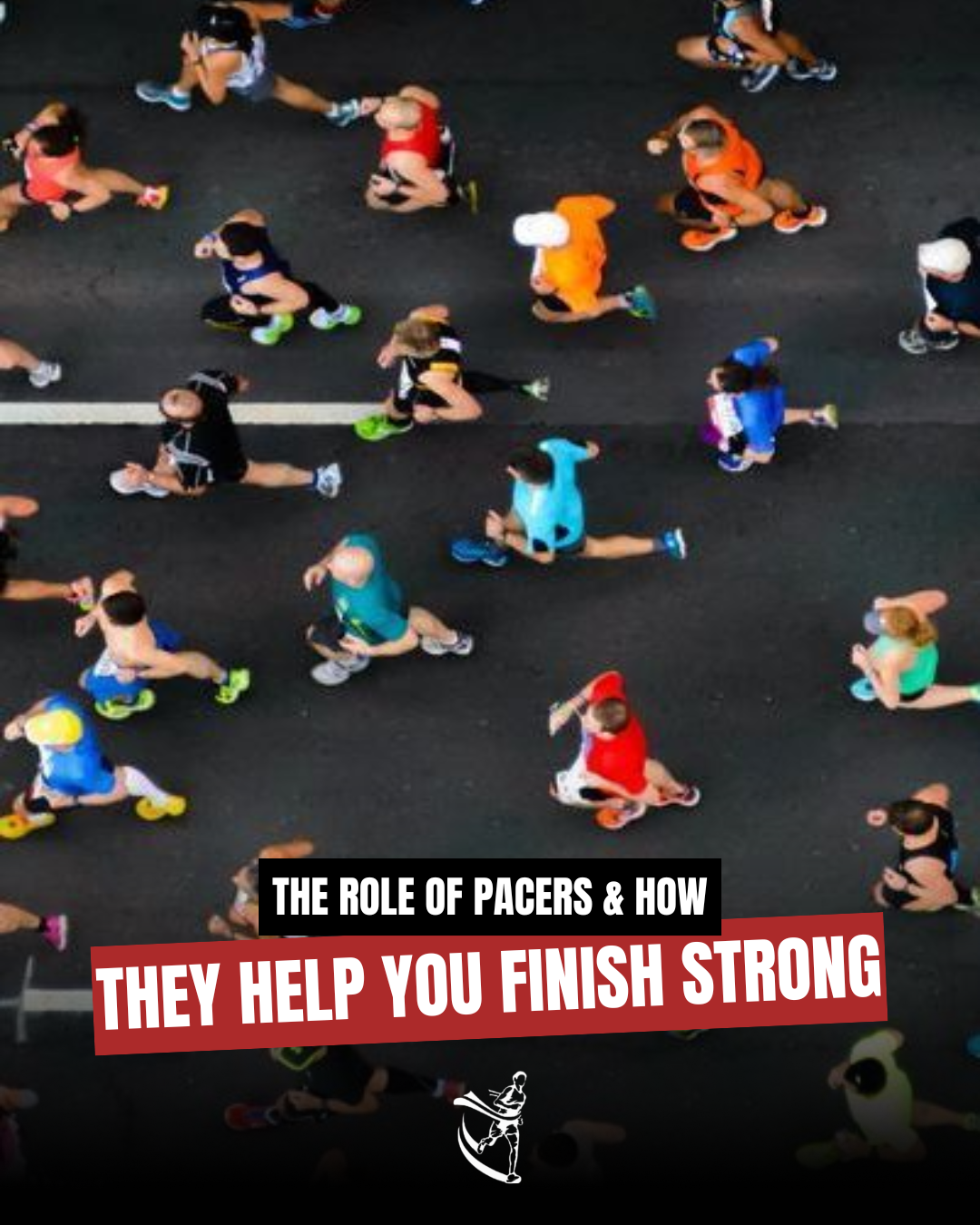
For many runners, especially those new to organized races, the idea of maintaining a steady pace from start to finish can feel overwhelming. Excitement at the starting line, crowd energy, and adrenaline often lead people to run too fast early on, only to struggle badly in the final stretch.
This is where pacers play an essential role in modern running culture, particularly in popular events in Doha and other major sports events in Qatar that attract participants of all experience levels.
A pacer is an experienced runner assigned to maintain a consistent speed throughout a race, aiming to finish within a specific target time. They act as a moving guide, allowing other runners to follow without constantly checking their watches or worrying about pace calculations.
In well-organized sports events in Doha, pacers are usually easy to spot, wearing visible markers or flags that display their target finish time or pace category.
One of the biggest benefits pacers offer is pacing discipline. Many runners underestimate how challenging it is to maintain even effort across a race. Shorter distances like a 5 km run in Doha or an 800 m race in Qatar might seem manageable, but poor pacing can still derail performance.
Starting too fast increases lactic acid buildup and energy depletion, making the final portion feel far harder than necessary. Pacers help prevent this by setting a sustainable rhythm from the very first kilometer or lap.
Pacers are especially valuable for first time racers. When you are new to organized competitions, there is already a lot to think about, from navigating the start area to managing nerves and responding to crowd noise. Having someone to follow removes one major mental burden. Instead of constantly asking yourself if you are running too fast or too slow, you can focus on breathing, form, and simply staying relaxed. This mental clarity often leads to better overall performance and a more enjoyable race experience.
In shorter races, pacers play a slightly different but equally important role. During an 800 m race in Qatar, maintaining pace is critical because the margin for error is small. Go out too hard and fatigue hits quickly.
Start too conservatively and there may not be enough distance left to recover lost time. Pacers in these races help runners understand what controlled speed feels like, especially those transitioning from casual jogging to competitive running. Over time, this awareness improves race intelligence and confidence.
Pacers also contribute significantly to race safety and inclusivity. In large-scale sports events in Qatar, participants range from elite athletes to casual runners and corporate teams.
Pacers help spread runners more evenly across the course by encouraging people to start in the appropriate pace group. This reduces congestion, lowers the risk of collisions, and creates a smoother experience for everyone involved. For beginners, this structured environment can make a first race feel far less intimidating.
Another advantage of running with a pacer is energy management. Experienced pacers know how to handle slight course variations, turns, and crowd density without breaking rhythm.
They adjust effort subtly, slowing down when needed and picking up the pace gently rather than abruptly. This skill is particularly useful in events in Doha, where weather conditions such as heat and humidity can impact performance. A good pacer accounts for these factors and keeps the group from burning out too early.
Pacers also serve as quiet motivators. While they are not there to coach aggressively, their presence offers reassurance during tough moments. Seeing the pacer ahead reminds runners that they are still on track.
In the final stretch of a 5 km run in Doha or similar race, that visual cue can make the difference between giving up mentally and pushing through fatigue to finish strong. Many runners find that staying with a pacer helps them achieve personal bests they previously thought were out of reach.
For runners aiming to progress, training with pacers during races can be a learning experience. By observing how pacers control effort, handle surges, and maintain calm under pressure, runners develop a better sense of their own capabilities.
This knowledge carries over into future training sessions and competitions, leading to more consistent improvement over time. In this way, pacers are not just race-day tools but long-term development aids.
It is important, however, to choose the right pacer. Runners should select a pace that aligns with their current fitness rather than an overly ambitious goal. In competitive sports events in Doha, it is common to see runners drop off pace groups that were too aggressive for them. Listening to your body and respecting your training level ensures that pacers work for you rather than against you.
Ultimately, pacers embody the spirit of organized running by making races more accessible, structured, and rewarding.
Whether you are tackling your first competitive distance, aiming for a new personal best, or simply looking to enjoy the atmosphere of major sports events in Qatar, running with a pacer can transform your experience.
They help you stay disciplined, conserve energy, and finish with strength rather than regret. In a racing environment where excitement and pressure can easily take over, pacers provide steady guidance, reminding runners that success is often about control, patience, and smart decision-making rather than raw speed alone.