
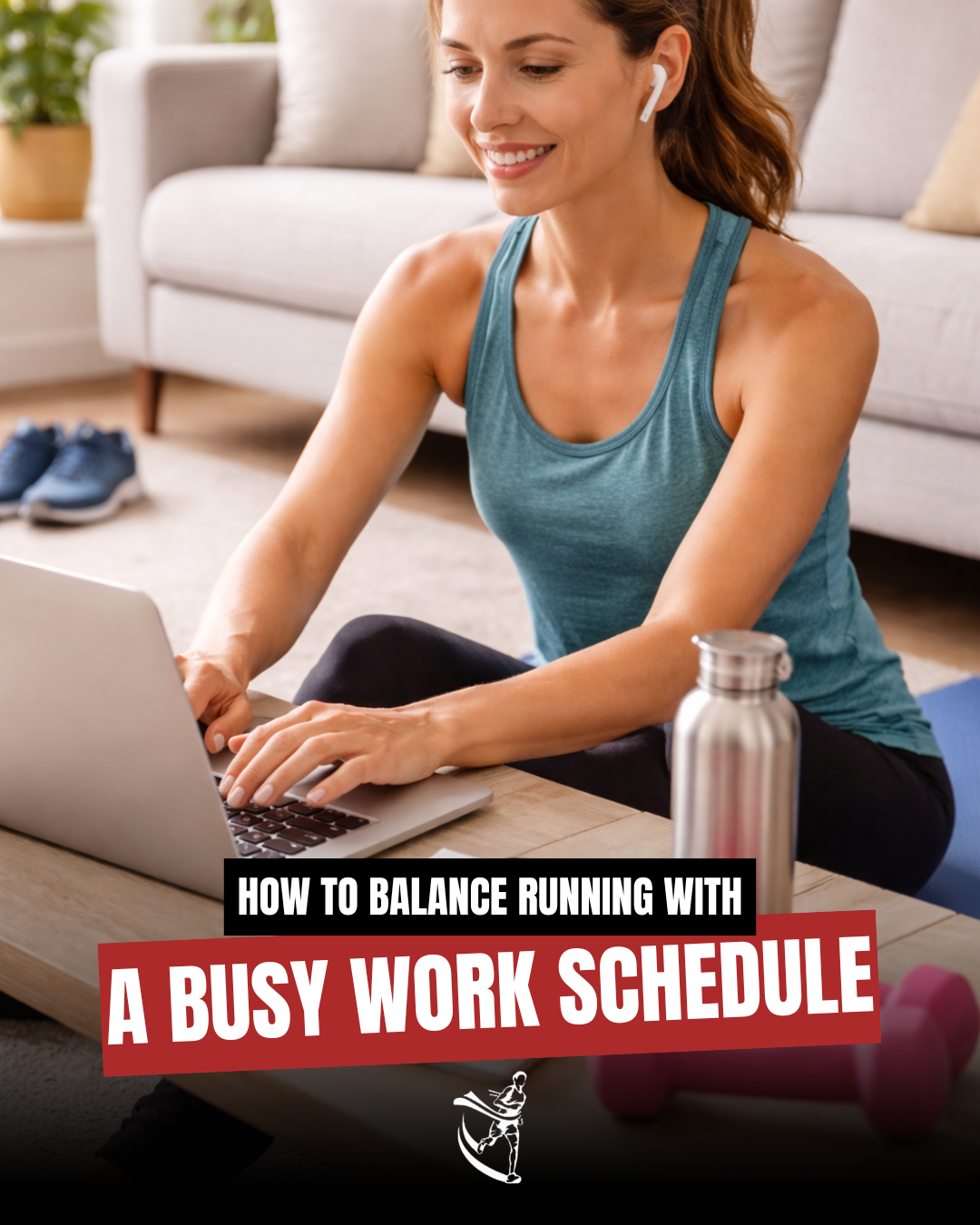
Balancing running with a demanding work schedule can feel difficult, especially when long hours, meetings, deadlines, and personal responsibilities compete for attention. Yet, many successful runners manage to stay consistent despite packed calendars.
The key is understanding that progress in running does not require unlimited free time. It requires structure, realistic expectations, and a willingness to make small adjustments that fit your lifestyle. Whether you are preparing for Doha running events, building endurance for a 5k race in Doha, or gradually improving for an 800 m race in Qatar, consistency matters more than perfection.
One of the biggest misconceptions about running is the belief that you need long daily workouts to see results. In reality, even short sessions completed consistently can improve fitness and performance.
If your work schedule feels overwhelming, shifting your mindset from “finding time” to “making time” helps. Instead of waiting for a perfect free hour that may never come, look for realistic windows in your day. Twenty to thirty minutes of focused training several times a week is often enough to prepare for many sports events in Doha.
Planning your week in advance is one of the most effective strategies for staying consistent. Just as you schedule meetings or appointments, treat your runs as non negotiable commitments.
At the beginning of each week, review your calendar and identify when training fits naturally. Some people thrive with early morning runs before work, while others prefer evenings to decompress after a busy day. If you are targeting a 5k race in Doha, for example, you may only need three to four purposeful sessions each week to make meaningful progress.
Morning running works particularly well for busy professionals because it removes uncertainty later in the day. Unexpected meetings, social obligations, or fatigue are less likely to interfere. Starting the day with movement also improves energy levels, focus, and mood, which can positively influence workplace performance. For those preparing for Doha running events, early sessions offer another advantage, cooler temperatures that make outdoor training more comfortable and sustainable.
However, not everyone enjoys morning exercise, and that is perfectly fine. Evening runs can be equally effective if approached strategically. After a long workday, motivation may feel low, so reducing friction becomes important.
Preparing your clothes, shoes, and gear in advance eliminates excuses and helps you transition directly into training mode. A short evening session for an 800 m race in Qatar or an easy recovery jog often feels much more manageable once you get started.
Efficiency is another essential factor when balancing running with work. Not every session needs to be long. Focused workouts tailored to your goals often produce better results than spending excessive time training without purpose.
If you are preparing for a 2.5 km run in Qatar, interval sessions that combine short bursts of faster running with recovery periods can build speed and endurance efficiently. Similarly, tempo sessions help improve stamina for a 5k race in Doha without requiring hours of training.
Learning to prioritize quality over quantity prevents burnout. When work is particularly demanding, it is better to complete a shorter, effective run than skip training entirely.
A twenty-minute session still reinforces consistency and maintains fitness. Many runners participating in sports events in Doha discover that staying active during stressful weeks actually improves productivity and mental clarity rather than draining energy.
Flexibility also matters. Life rarely follows a perfect schedule, and some weeks will inevitably feel more chaotic than others. Missing one workout is not a failure.
The real challenge is avoiding the mindset that one missed session ruins your progress. Adapting your training rather than abandoning it keeps momentum alive. If a planned run gets interrupted, consider a shorter workout, a brisk walk, or even cross-training. Consistency over months matters far more than perfection in any single week.
Combining social and professional routines with running can also save time. Some professionals join colleagues for lunch break walks or after-work runs, turning exercise into a shared activity.
Networking through fitness has become increasingly common around Doha running events, where communities form around shared goals. Participating in group sessions can increase accountability and make training feel more enjoyable, especially during demanding periods at work.
Managing energy levels is just as important as managing time. Busy professionals often underestimate the impact of sleep, hydration, and nutrition on training consistency.
Poor sleep reduces recovery, while inadequate nutrition makes runs feel harder than they should. Prioritizing simple habits such as drinking enough water, eating balanced meals, and maintaining a consistent bedtime supports both workplace performance and race preparation. If you are aiming for an 800 m race in Qatar, where speed and intensity matter, recovery becomes especially important.
Setting realistic goals prevents unnecessary pressure. If your schedule is demanding, expecting to train every day may lead to frustration. Instead, create goals that reflect your lifestyle. Completing three consistent sessions each week while preparing for a 2.5 km run in Qatar is often more effective than planning six workouts and missing half of them. Achievable goals create confidence and motivation, reinforcing the habit rather than making it feel like another stressful obligation.
Technology can also simplify training. Fitness apps, GPS watches, and training plans help structure sessions efficiently, allowing you to maximize limited time. Even tracking basic progress, such as distance covered or consistency streaks, creates a sense of achievement. Preparing for Doha running events feels more manageable when you can clearly see improvement over time.
Mental reframing plays a major role in balancing running with work. Instead of viewing running as something that takes time away from your responsibilities, think of it as an investment in your physical and mental well-being. Exercise improves focus, reduces stress, and boosts overall energy. Many professionals find that regular training actually helps them handle work pressure more effectively.
It is also important to remember that running does not have to be perfect to be valuable. Some days you will feel strong and energized, while other days you may struggle through a short session.
Both experiences contribute to long-term growth. The goal is not flawless execution but sustainable consistency. Whether you are preparing for a 5k race in Doha, participating in sports events in Doha, or simply maintaining fitness while building toward an 800 m race in Qatar, steady effort matters more than ideal circumstances.
Ultimately, balancing running with a busy work schedule is about integration rather than sacrifice. By planning ahead, staying flexible, prioritizing efficiency, and setting realistic expectations, running becomes part of your routine instead of something extra to squeeze in.
Over time, this balance creates a healthier rhythm where professional responsibilities and personal goals support rather than compete with one another. Through regular participation in Doha running events, even the busiest individuals can discover that meaningful progress is possible, one run at a time.