
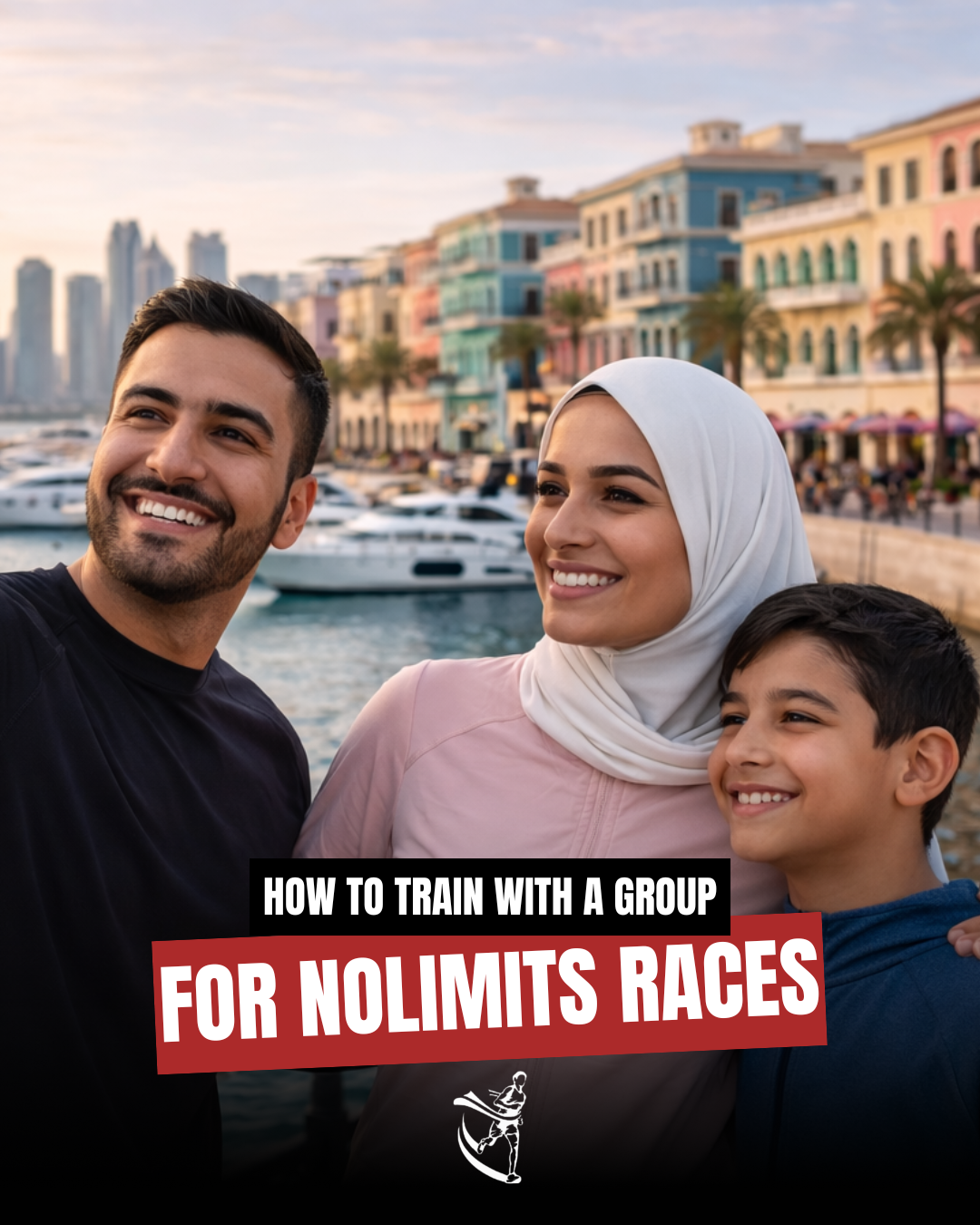
Training for a race becomes significantly more enjoyable and effective when done with others. While running is often seen as an individual activity, preparing as a group creates accountability, motivation, and a stronger sense of commitment.
Whether you are aiming for a 5k race in Qatar, preparing for a 1.5k race in Qatar, or simply getting ready for a Qatar fun run, group training can help you stay consistent and confident before race day. For runners participating in No Limits Races, training with a team often transforms preparation from something difficult into something genuinely rewarding.
One of the greatest advantages of group training is accountability. Running alone can sometimes make it easy to postpone workouts, especially after a busy workday or during periods of low motivation.
When others are expecting you to show up, consistency becomes easier. Training partners provide encouragement, reminders, and a sense of responsibility that helps maintain momentum. This is particularly useful if you are preparing for a corporate race in Qatar, where teamwork and shared participation often matter just as much as individual performance.
Before starting group training, it is important to define common goals. Not everyone in a running group will have the same pace or level of experience, but having a shared purpose creates alignment.
Some runners may be training for a 5 km run in Doha, while others may be preparing for a shorter 1.5k race in Qatar. Establishing expectations early helps the group structure sessions in a way that benefits everyone. For example, speed intervals can be adjusted by distance or pace, allowing beginners and experienced runners to train together without feeling discouraged.
Choosing the right group matters. A supportive training environment makes all the difference, especially for beginners. The best groups are inclusive, encouraging, and flexible rather than overly competitive. Preparing for a Qatar fun run should feel enjoyable rather than intimidating. A positive atmosphere creates confidence and reduces the pressure that many first-time runners feel. When runners encourage one another rather than constantly compare, training becomes something people genuinely look forward to.
Creating a structured training schedule is another key element of successful group preparation. Consistency matters more than intensity, especially when preparing for races over several weeks.
Most groups benefit from having dedicated sessions for different purposes. One session may focus on endurance, another on speed, and another on recovery. If your goal is a 5k race in Qatar, for instance, one weekly run could include longer steady efforts, while another emphasizes shorter intervals that improve speed and pacing.
Communication within the group is essential. Busy schedules, changing commitments, and varying fitness levels mean flexibility is important. Using messaging groups or shared calendars helps everyone stay informed about meeting times and training locations. This becomes especially useful when preparing for a corporate race in Qatar, where participants may need to coordinate around work commitments. Consistent communication prevents confusion and keeps motivation high.
Training in a group also improves pacing awareness. One of the biggest mistakes many runners make is starting too fast and burning out quickly. Running alongside others helps create rhythm and discipline. More experienced runners can guide pacing, helping newer participants avoid overexertion. This is especially valuable for runners targeting a 5 km run in Doha, where maintaining steady effort can make a significant difference in performance and enjoyment.
Group training naturally introduces healthy competition in a positive way. Seeing someone improve or push through a difficult workout often inspires others to challenge themselves.
This does not mean comparing abilities constantly, but rather using shared progress as motivation. During preparation for a 1.5k race in Qatar, shorter speed sessions often become more engaging when runners encourage each other through challenging intervals. Shared effort builds resilience and strengthens commitment.
Safety is another important benefit of training together. Running with others provides reassurance, especially during early morning or evening sessions. Group runs are often safer and feel more comfortable, particularly for beginners who may feel hesitant about training alone. This sense of security encourages consistency, which is essential when preparing for events like a Qatar fun run or larger race days.
Another often overlooked benefit is the social connection that develops through shared training. Running conversations often go beyond pace and performance. Colleagues become friends, strangers become training partners, and shared goals create meaningful relationships.
This social aspect is one reason why people preparing for a corporate race in Qatar often continue running long after the event ends. The habit becomes tied to enjoyment and community rather than obligation.
It is important, however, to respect individual differences within a group. Not everyone progresses at the same speed, and training should remain adaptable. Some runners may need extra recovery, while others may feel ready to increase intensity sooner.
A good training group encourages flexibility and recognizes that personal improvement matters more than matching someone else’s pace. Whether preparing for a 5k race in Qatar or a 1.5k race in Qatar, progress looks different for everyone.
Recovery and encouragement are just as important as hard workouts. Celebrating small wins such as completing a difficult session, improving pace, or simply showing up consistently reinforces motivation.
Group members who support each other through setbacks create a stronger and more sustainable training culture. When someone misses a session or struggles with motivation, encouragement often helps them stay committed rather than giving up.
Training together also creates familiarity that can ease race day nerves. Arriving at the starting line alongside people you trained with reduces anxiety and creates confidence.
During a 5 km run in Doha or a Qatar fun run, knowing familiar faces are nearby provides reassurance. Shared preparation often turns race day into a celebration of collective effort rather than an intimidating challenge.
Ultimately, group training offers far more than physical preparation. It builds discipline, accountability, friendships, and confidence. Whether you are preparing for a 5k race in Qatar, building speed for a 1.5k race in Qatar, participating in a Qatar fun run, or joining a corporate race in Qatar, training with others creates an experience that is both effective and enjoyable.
Through shared effort and encouragement, runners often discover that the journey toward race day becomes just as meaningful as crossing the finish line itself.