
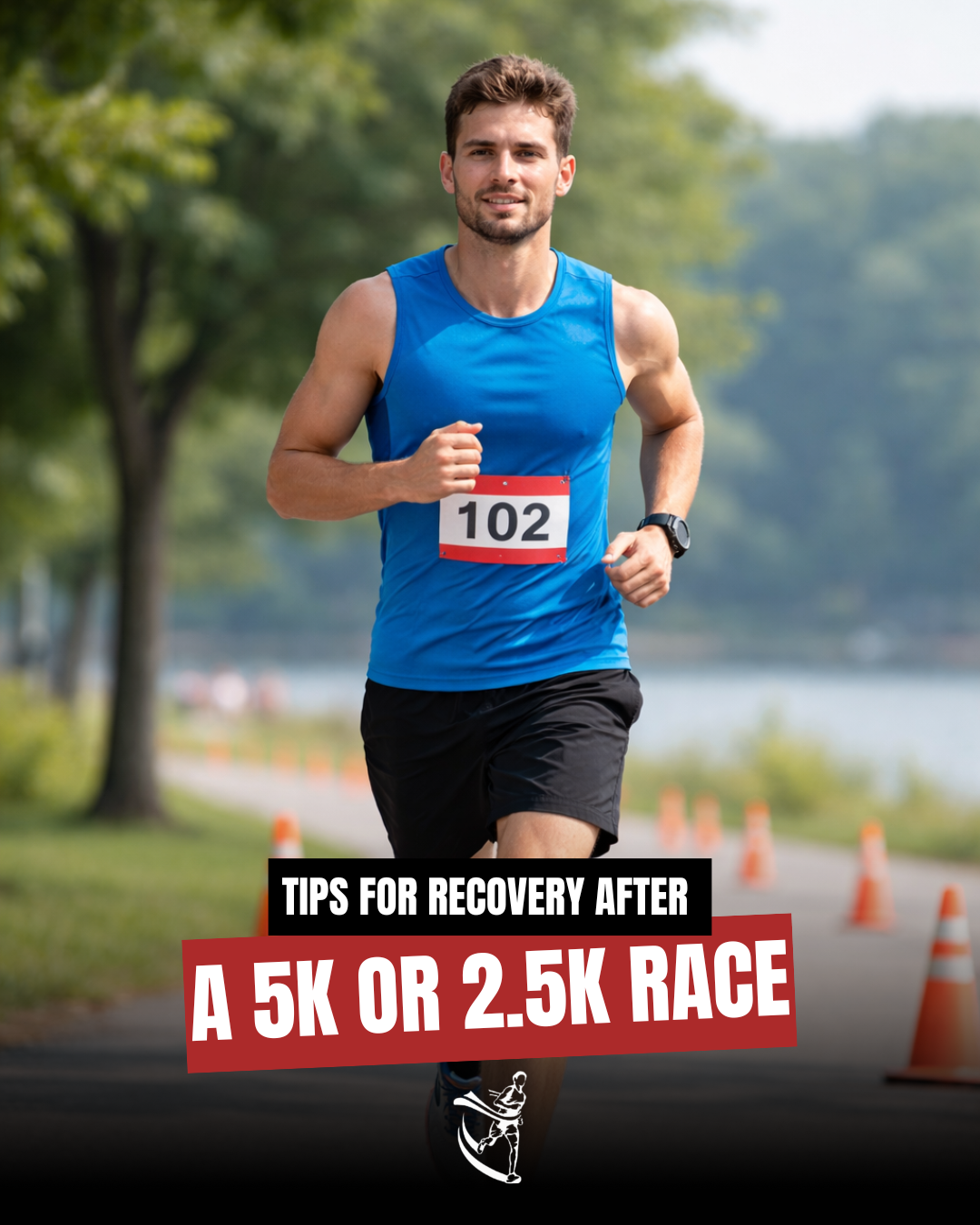
Completing a race, whether it is a fast-paced 5K or a shorter 2.5K effort, places significant demands on the body. Even though these distances are considered short to moderate in the running world, they often involve sustained high-intensity effort that challenges both the cardiovascular system and the muscles.
After crossing the finish line of a 5 km run in Doha or participating in competitive sports events in Doha, proper recovery is essential to protect your progress and prepare for future goals. Recovery is not simply about resting; it is a structured process that allows your body to repair, adapt, and grow stronger.
The first phase of recovery begins immediately after you finish. Rather than stopping abruptly, it is beneficial to continue walking for five to ten minutes.
This light movement keeps blood circulating and helps prevent pooling in the lower extremities. During a race such as an 800 m race in Qatar or a fast 5K, your heart rate climbs significantly.
Gradually lowering it through gentle walking supports cardiovascular stability and reduces dizziness or lightheadedness. Many organized events in Doha provide designated recovery areas that encourage participants to cool down safely before leaving the venue.
Hydration is the next priority. Even in shorter races, fluid loss can be considerable, especially in warm climates. Replacing fluids soon after finishing supports circulation, temperature regulation, and muscle function.
Water is often sufficient for shorter efforts, but if the race was particularly intense or conducted in heat, beverages containing electrolytes can help restore sodium lost through sweat. Maintaining proper hydration is especially important during outdoor sports events in Qatar, where environmental conditions can accelerate fluid depletion.
Nutrition plays a central role in recovery. After a 5 km run in Doha, your glycogen stores are partially depleted, and muscle fibers have experienced microscopic stress.
Consuming a balanced snack or meal within sixty minutes can accelerate repair. Carbohydrates help replenish energy reserves, while protein supports muscle rebuilding. A simple combination, such as fruit with yogurt or a sandwich with lean protein, can be effective. Skipping post-race nutrition may prolong fatigue and delay your return to training.
Muscle soreness is common after both 5K and 2.5K races. This delayed onset muscle soreness typically appears within twenty-four to forty-eight hours after intense effort. Gentle stretching can help maintain flexibility, but it should be done carefully and without forcing tight muscles.
Light dynamic movements or yoga-based mobility sessions are often more beneficial than aggressive static stretching immediately after the race. Many runners participating in sports events in Doha find that an easy recovery jog or brisk walk the day after the event helps reduce stiffness by increasing circulation.
Sleep is one of the most powerful recovery tools available. Deep sleep triggers the release of growth hormone, which supports tissue repair and immune function.
After an intense race, such as an 800 m race in Qatar, where anaerobic effort places high stress on muscles and the nervous system, prioritizing seven to nine hours of quality sleep can significantly improve recovery outcomes. Creating a calm sleep environment and maintaining a consistent bedtime routine enhances this restorative process.
Active recovery in the days following the race should be tailored to how your body feels. For some runners, returning to light jogging within two days of a 5 km run in Doha feels comfortable.
For others, especially those who pushed to their limits, a few additional days of low-impact activities such as swimming or cycling may be appropriate. Listening to your body prevents minor soreness from developing into overuse injuries. The goal is gradual reintroduction of intensity rather than an immediate return to full training volume.
Mental recovery deserves equal attention. Races often involve weeks of structured preparation, and the emotional buildup can be significant. After participating in large-scale events in Doha, runners may experience a temporary dip in motivation.
Reflecting on your performance objectively can help maintain perspective. Consider what went well and what could be improved without harsh self-criticism. Celebrating personal achievements, regardless of finishing position, reinforces positive associations with participation in sports events in Qatar.
Monitoring your body for warning signs is crucial. Persistent pain in joints, sharp localized discomfort, or extreme fatigue may indicate the need for additional rest or professional evaluation.
While mild soreness is normal after a fast 800 m race in Qatar or a sustained 5K effort, pain that alters your running form should not be ignored. Early attention prevents minor issues from escalating into long-term setbacks.
Cold therapy and compression garments are commonly discussed recovery strategies. Applying ice to particularly sore areas may reduce inflammation in the short term, while compression clothing can support circulation.
Although scientific evidence varies in strength, many runners report subjective benefits from these approaches following intense sports events in Doha. If you choose to use them, they should complement rather than replace foundational recovery practices such as nutrition, hydration, and rest.
Planning your next steps thoughtfully is part of effective recovery. Instead of immediately signing up for another race, allow yourself time to reset physically and mentally. If you intend to participate in another 5 km run in Doha or target a future 800 m race in Qatar, build your next training cycle gradually. Recovery periods between races help prevent cumulative fatigue and support consistent improvement across multiple sports events in Qatar.
Ultimately, recovery is not a passive phase but an active investment in long-term performance. The effort you put into cooling down, refueling, resting, and reflecting directly influences how well you perform in your next race.
Whether you are a beginner celebrating your first finish line at one of the many events in Doha or an experienced competitor striving for faster times, respecting the recovery process ensures that each race becomes a stepping stone rather than a setback.
By treating recovery as an integral part of training, you build resilience, reduce injury risk, and sustain your enjoyment of running for years to come.