
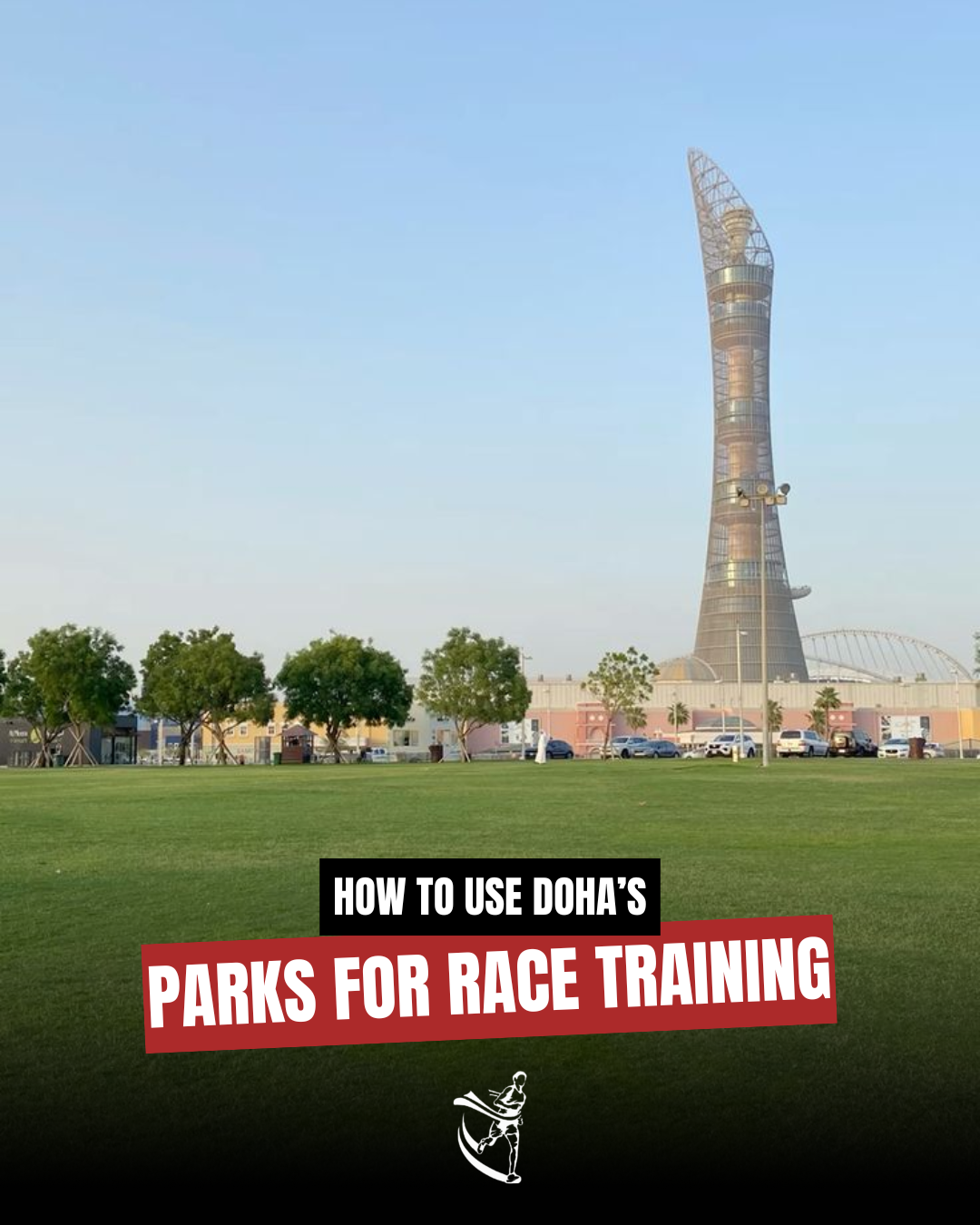
Doha’s parks offer runners an accessible and surprisingly versatile environment for structured training. With well-maintained paths, open green spaces, and waterfront promenades, they provide ideal settings for building endurance, speed, and mental resilience.
For those preparing for competitive sports events in Doha, learning how to use these parks strategically can transform casual jogging into purposeful race preparation. Whether your goal is a 5k race in Doha, a short speed-focused 800 m race in Qatar, or a community-based 2.5 km run in Qatar, the city’s outdoor spaces can serve as a practical training ground throughout the year.
One of the greatest advantages of training in Doha’s parks is surface consistency. Many parks feature paved, clearly marked running paths that allow you to monitor distance accurately. This is particularly useful when preparing for a 5k race in Doha, where pacing discipline is critical.
By running repeated loops of a measured path, you can practice maintaining an even effort across each kilometer. Consistency in training translates directly to race day confidence, especially during organized Doha running events where crowds and adrenaline can make pacing more challenging.
For runners targeting shorter distances like an 800 m race in Qatar, parks provide open spaces that are perfect for interval training. You can use straight stretches of path for speed repetitions, timing efforts with a watch or smartphone.
Alternating between fast intervals and controlled recovery jogs helps build the anaerobic capacity and speed endurance required for middle-distance events. Because parks are less congested during early mornings, you can complete these sessions with minimal interruption, allowing you to focus fully on technique and effort.
Terrain variation within parks can also enhance training quality. While Doha is relatively flat, certain parks include gentle inclines or bridges that can be incorporated into hill repeats. These short uphill efforts strengthen leg muscles, improve running economy, and build power. Adding hill work once or twice a week can significantly benefit runners preparing for a 5k race in Doha or even a shorter 2.5 km run in Qatar, as stronger legs support better finishing speed.
Longer steady runs are another essential component of race preparation, particularly for 5-kilometer distances. Parks with extended pathways, such as those along the waterfront, allow you to maintain a continuous rhythm without frequent road crossings.
This uninterrupted flow helps you develop aerobic endurance, which is fundamental for all sports events in Doha. Even if your target race is an 800 m race in Qatar, a solid aerobic base improves recovery between intervals and enhances overall performance.
Doha’s climate requires thoughtful planning. During warmer months, scheduling sessions early in the morning or after sunset can make a significant difference in comfort and safety.
Parks often offer shaded sections created by trees or landscaped features, providing partial relief from direct sunlight.
Hydration remains essential, so choosing routes with accessible water fountains or carrying a handheld bottle ensures you stay properly fueled during longer sessions. Adapting your routine to environmental conditions helps maintain consistency throughout the training cycle, leading up to major Doha running events.
Using park landmarks as pacing markers can improve mental focus. Benches, light posts, or distinct architectural features can serve as visual checkpoints during tempo runs. For example, if you are training for a 2.5 km run in Qatar, you might aim to maintain a steady tempo between designated points, reinforcing rhythm and concentration. This strategy strengthens your ability to sustain effort under fatigue, an invaluable skill during competitive races.
Training in parks also offers psychological benefits. The presence of other walkers, joggers, and families creates a sense of shared activity that can boost motivation. Seeing fellow runners preparing for sports events in Doha fosters a sense of belonging within the broader athletic community. This atmosphere can make demanding workouts feel more engaging and less isolating. Social interaction, even if limited to a brief greeting, reinforces the idea that you are part of a larger movement of active individuals.
Structured weekly planning helps maximize park training. A balanced schedule might include one interval session tailored to an 800 m race in Qatar, one tempo run at or slightly below projected 5k race in Doha, one longer steady effort, and one recovery jog.
Parks provide flexible space for all these sessions without the need for specialized facilities. For runners new to competitive preparation, starting with manageable distances and gradually increasing intensity ensures steady progress.
Incorporating drills and mobility work before or after runs is another advantage of park training. Open grassy areas are ideal for dynamic warm-ups such as leg swings, high knees, and skipping drills. Performing these movements before a speed session prepares muscles and reduces injury risk. After completing a workout, you can use quiet corners of the park for stretching and cooldown exercises. This integrated approach supports long-term performance in upcoming Doha running events.
Technology can enhance your use of park spaces. GPS watches and smartphone apps allow you to track distance, pace, and heart rate, providing immediate feedback. Reviewing this data after each session helps you assess whether you maintained your target effort. If you are preparing for a 5k race in Doha, analyzing splits can reveal pacing inconsistencies. For an 800 m race in Qatar, monitoring interval times ensures that you are training at the appropriate intensity.
Safety considerations should remain a priority. Choosing well-lit, populated parks increases visibility and reduces risk during early morning or evening sessions. Informing someone of your route or training schedule adds an extra layer of precaution.
By creating a safe and predictable routine, you can focus entirely on performance development without unnecessary distraction.
Perhaps most importantly, Doha’s parks encourage enjoyment. Training should not feel purely transactional. The view of the skyline, the sea breeze along waterfront paths, and the greenery in landscaped areas provide sensory variety that keeps running refreshing.
This enjoyment sustains long term commitment, which is essential for achieving success in any sports events in Doha. Consistent effort over months matters far more than sporadic bursts of intensity.
Using Doha’s parks intentionally transforms them from simple recreational spaces into dynamic training environments. By incorporating interval work for an 800 m race in Qatar, steady pacing practice for a 5k race in Doha, tempo efforts for a 2.5 km run in Qatar, and recovery sessions that support overall fitness, you create a balanced preparation plan.
Combined with smart scheduling, hydration awareness, and community engagement through Doha running events, park-based training can elevate your performance while keeping the experience accessible and enjoyable.